MP warns energy bill rise will push more Dorset families into fuel poverty
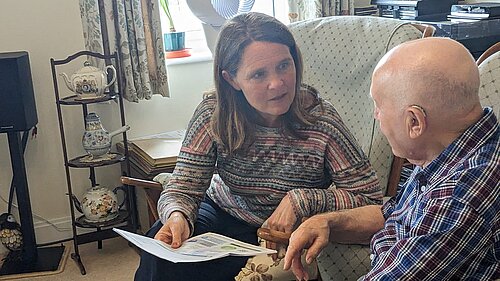
Vikki Slade MP has backed calls for urgent action to prevent a steep rise in energy bills this January, warning that thousands of households across Dorset are already struggling with the cost of living.
Ofgem announced this morning that the energy price cap for 1 January to 31 March 2027 will rise by 26% to £2,166, adding £443 a year to the bill of a typical household.
According to ONS data, 9.8% of households in Dorset are currently living in fuel poverty, meaning they are struggling to afford their basic energy needs.
The Government's response so far has been a £100 payment for households in Council Tax bands A to D, covering less than a quarter of the expected increase. The Resolution Foundation has found that one in eight of the poorest households will not qualify for the support. Questions also remain about what help, if any, will be available for students and other low-income groups who do not pay council tax.
Meanwhile, the Office for Budget Responsibility expects the Treasury to receive £2.6 billion more in oil and gas tax revenues this year than previously forecast, while Citizens Advice estimates energy network companies are on course to make between £6.3 billion and £7 billion in windfall profits under existing price controls.
Vikki Slade is backing calls for the Government to use these windfalls to provide immediate relief to struggling households and bring down energy bills.
Vikki Slade MP for Mid Dorset and North Poole said:
“This price hike will push more Dorset families to breaking point.”
“Energy bills are going up by £443 a year, yet the Government's answer is just £100. That's nowhere near enough.”
“While energy companies and the Treasury continue to cash in, families are left to pick up the bill.”
“The Prime Minister cannot sit back while more households are pushed into fuel poverty. The Government must use these windfalls to bring bills down and give families the help they desperately need."
The Liberal Democrats are calling for additional support measures, including reforms such as an Essential Energy Guarantee, which would provide every household with a discounted amount of essential energy use.